Spain's Mandatory B2B E-Invoicing Framework Enters Operational Phase
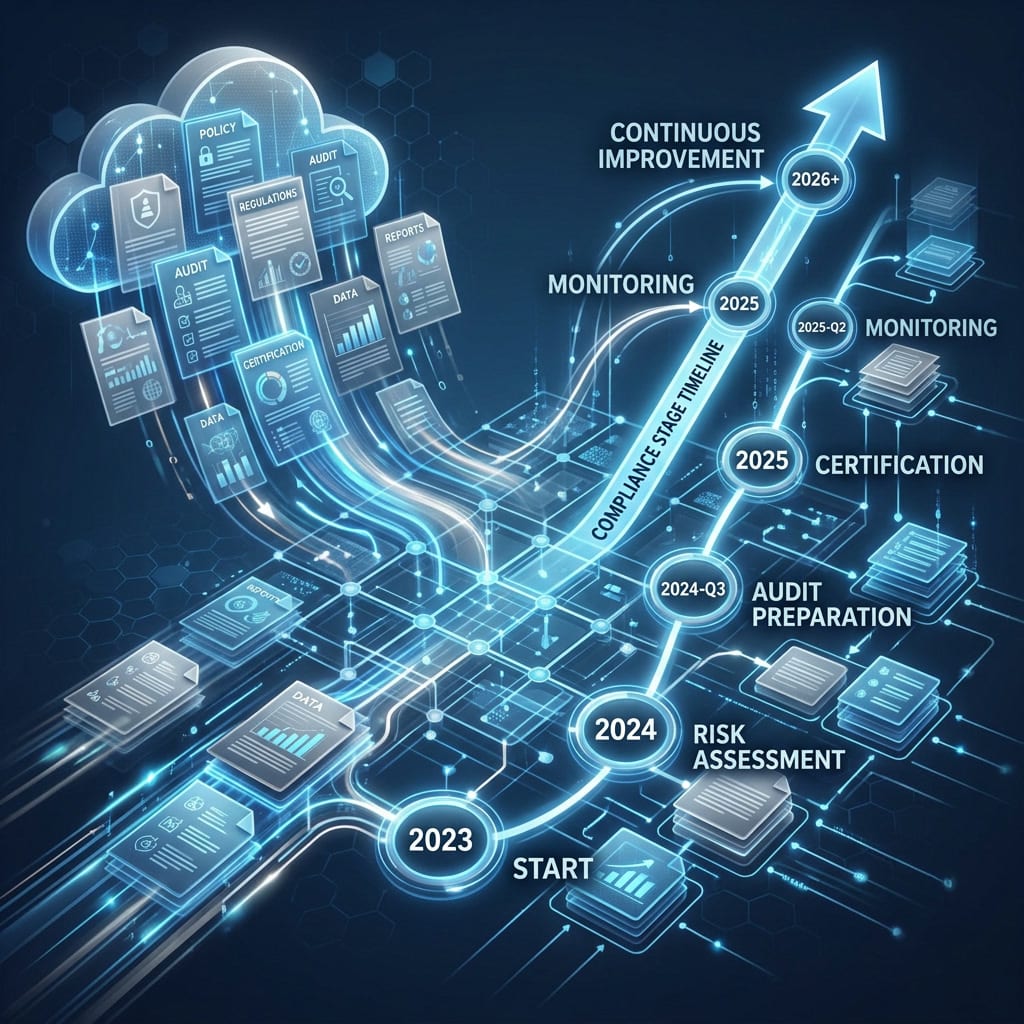
Order HAC/1028/2026, published October 5, 2026, activates Spain's staged B2B e-invoicing compliance calendar and defines the architecture of AEAT's public platform. Businesses with turnover exceeding €8 million must comply by October 6, 2027; others have until October 6, 2028.
Key takeaways
- Order HAC/1028/2026 activates Spain's staged B2B e-invoicing compliance calendar, with deadlines tied to business size.
- Businesses must transmit electronic copies of invoices to AEAT's public platform, even if using private solutions.
- Invoice recipients must acknowledge or reject invoices within four business days and report payment status.
- Private platforms must achieve full interoperability with the public solution by October 6, 2027.
- The public platform implements EN 16931 and complies with Spain's National Security Framework and GDPR.
Context
The regulatory framework stems from Law 18/2022, which mandated B2B e-invoicing and tasked the Spanish Tax Authority (AEAT) with developing a public solution. Order HAC/1028/2026, published in the Official State Gazette (BOE), translates this legislative intent into operational reality. The order establishes a tiered compliance timeline based on business size, with larger enterprises (annual turnover exceeding €8 million) facing an earlier deadline of October 6, 2027. All other businesses and professionals must comply by October 6, 2028.
The public platform serves as both a central repository and an interoperability hub. This dual function is critical, as businesses using private e-invoicing platforms must simultaneously transmit an electronic copy of every invoice to the public solution. This ensures AEAT maintains a complete, authoritative record regardless of which private platform a business uses.
What's Changing
The order imposes specific procedural obligations on invoice recipients. They must acknowledge or reject received invoices within four business days and report payment status back to the public platform. This creates a closed-loop transactional record within AEAT's repository, enhancing visibility and auditability.
Private e-invoicing platforms seeking to continue operating must achieve full interoperability with the public solution and meet all new technical requirements by October 6, 2027—twelve months from the order's entry into force. This deadline applies regardless of whether their business clients fall into the first or second compliance cohort.
Technically, the public platform implements the EN 16931 semantic data model under UBL (Universal Business Language) syntax. This alignment with the pan-European e-invoicing standard, combined with compliance to Spain's National Security Framework and GDPR, positions the system for cross-border interoperability within the EU.
Implications for Businesses
The public platform's role as a mandatory convergence point is novel. Even businesses using sophisticated private solutions cannot bypass AEAT's repository. This requirement effectively front-loads the technical compliance burden for the entire ecosystem, irrespective of individual business deadlines.
Businesses must assess their current invoicing systems and ensure they can integrate with the public platform. For those using private solutions, this includes transmitting electronic copies of every invoice to AEAT's system. Additionally, businesses must implement processes for acknowledging or rejecting invoices and reporting payment status within the specified timeframes.
The interoperability deadline for private platforms (October 6, 2027) is particularly significant. Platforms must meet all new technical requirements by this date, ensuring they can fully integrate with the public solution ahead of the first business compliance deadline.
Outlook
The next key milestone is October 6, 2027, when the first cohort of businesses must comply and private platforms must achieve full interoperability. The second compliance deadline, October 6, 2028, applies to all remaining businesses and professionals.
An open question is whether AEAT's potential Verifactu delay to October 2028 will result in any formal modifications to the current mandate. However, as of now, the staged deadlines remain legally binding.
Spain's alignment with EN 16931 and broader European e-invoicing convergence efforts will facilitate cross-border interoperability. This positions Spain's infrastructure as compatible with other EU member states' systems, potentially simplifying B2B transactions across borders.
Frequently asked questions
- What is the compliance timeline for Spain's mandatory B2B e-invoicing?
- Businesses with annual turnover exceeding €8 million must comply by October 6, 2027. All other businesses and professionals have until October 6, 2028.
- Are businesses using private e-invoicing platforms exempt from the public system?
- No, businesses must simultaneously transmit an electronic copy of every invoice to AEAT's public platform, regardless of their private platform use.
- What procedural obligations are imposed on invoice recipients?
- Recipients must acknowledge or reject received invoices within four business days and report payment status back to the public platform.
- What technical requirements must private e-invoicing platforms meet?
- Private platforms must achieve full interoperability with the public solution and meet all new technical requirements by October 6, 2027.
- How does Spain's public e-invoicing platform align with EU standards?
- The platform implements the EN 16931 semantic data model under UBL syntax, aligning with the pan-European e-invoicing standard.