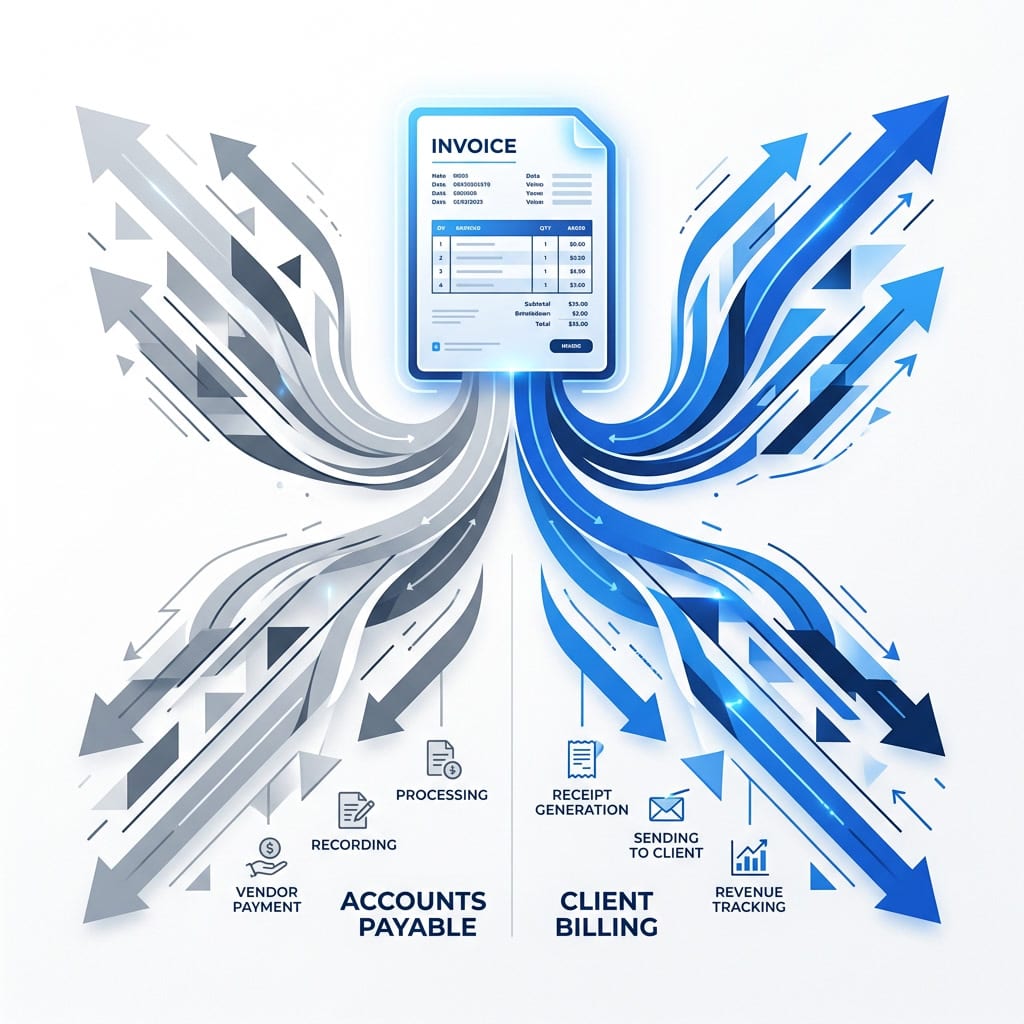


India Expands E-Invoicing Mandate to Recipient-Generated Self-Invoices Under RCM
India's Goods and Services Tax Network (GSTN) has extended its e-invoicing framework to include recipient-generated self-invoices under the Reverse Charge Mechanism (RCM), effective October 16, 2026. This mandate applies to registered taxpayers with an aggregate annual turnover of ₹5 crore and above, covering domestic supplies from unregistered persons (RCMDOM) and imports of services (RCMIMP).
Key takeaways
- India's e-invoicing mandate now includes recipient-generated self-invoices under RCM, effective October 16, 2026.
- Two new supply type codes have been introduced: RCMDOM and RCMIMP.
- Registered taxpayers with an aggregate annual turnover of ₹5 crore and above are eligible for this requirement.
- Sandbox testing environments are live across all six authorized IRPs.
- A production rollout date has not yet been announced by GSTN.
Context
India's e-invoicing regime, introduced in 2020, has undergone several expansions to integrate more transaction types and taxpayers. The latest development, outlined in GSTN Advisory No. 678, follows recommendations from the GST Council's 57th meeting to include self-invoices under RCM within the e-invoicing perimeter. Previously, these transactions were not subject to Invoice Reference Number (IRN) generation requirements, creating a compliance gap for transactions involving unregistered domestic suppliers or foreign service providers.
The new mandate introduces two distinct supply type codes: RCMDOM for domestic supplies sourced from unregistered persons under RCM, and RCMIMP for imports of services under RCM. This structural addition to India's e-invoicing schema aims to enhance transparency and close loopholes in the tax documentation process.
What's Changing
Under the new framework, registered taxpayers—rather than suppliers—are responsible for generating self-invoices and submitting them through one of six authorized Invoice Registration Portals (IRPs): NIC, Cygnet, Clear, EY, IRIS, and a sixth unnamed portal. Upon successful submission and validation, an IRN will be generated for each self-invoice.
As of October 16, 2026, sandbox testing environments are live across all six authorized IRPs, enabling eligible taxpayers and their technology partners to test integration ahead of production deployment. GSTN has not yet announced a production go-live date, which is to be communicated separately.
Key Mechanics
- Eligibility Threshold: Registered taxpayers with an aggregate annual turnover of ₹5 crore and above.
- Transaction Types: RCMDOM (domestic supplies from unregistered persons) and RCMIMP (import of services).
- IRP Options: NIC, Cygnet, Clear, EY, IRIS, and one additional unnamed portal.
- IRN Generation: Mandatory for self-invoices upon successful submission and validation.
Implications for Businesses
The expansion of e-invoicing to include RCM transactions introduces new compliance requirements for businesses operating in India. Registered taxpayers must now generate and submit self-invoices for specified transactions, ensuring they adhere to the new IRN generation process.
This shift places the documentation and reporting burden squarely on the registered recipient, necessitating updates to internal processes and systems. Businesses should leverage the sandbox testing environments to integrate their systems with the authorized IRPs, ensuring a smooth transition when the production rollout date is announced.
Compliance Steps
- System Integration: Test integration with authorized IRPs using the sandbox environments.
- Process Updates: Modify internal processes to accommodate self-invoice generation and submission.
- Training: Educate staff on the new requirements and procedures for RCMDOM and RCMIMP transactions.
Outlook
The introduction of RCMDOM and RCMIMP as distinct supply type codes represents a significant step toward enhancing transparency and closing compliance gaps in India's e-invoicing framework. While the sandbox phase is currently operational, businesses should await the official production go-live date from GSTN to finalize their compliance strategies.
What to Watch
- Production Rollout Date: Await communication from GSTN regarding the production go-live date.
- IRP Performance: Monitor the performance and reliability of the six authorized IRPs during the sandbox phase.
- Regulatory Updates: Stay informed about any additional regulatory changes or clarifications issued by GSTN.
Frequently asked questions
- Who is responsible for generating self-invoices under the new e-invoicing mandate?
- Registered taxpayers with an aggregate annual turnover of ₹5 crore and above are responsible for generating self-invoices under the new e-invoicing mandate.
- What are the new supply type codes introduced in India's e-invoicing framework?
- The two new supply type codes are RCMDOM (domestic supplies from unregistered persons under RCM) and RCMIMP (import of services under RCM).
- Which Invoice Registration Portals (IRPs) are authorized for submitting self-invoices?
- The six authorized IRPs are NIC, Cygnet, Clear, EY, IRIS, and one additional unnamed portal.
- What is the current status of the e-invoicing mandate for recipient-generated self-invoices?
- As of October 17, 2026, sandbox testing environments are live across all six authorized IRPs. A production rollout date has not yet been announced by GSTN.
- What should businesses do to prepare for the new e-invoicing requirements?
- Businesses should test integration with authorized IRPs using the sandbox environments, update internal processes for self-invoice generation and submission, and train staff on the new requirements.