

French E-Invoicing Mandate: 34% of Enterprises Unprepared at Launch
France's e-invoicing mandate became fully effective on 1 September 2026, requiring all VAT-liable enterprises to receive electronic invoices immediately. Despite extensive preparation, 34% of businesses had not selected a compliant platform by the deadline, though this represents an improvement from the 58% adoption rate observed just days before the launch.

Key takeaways
- As of 1 September 2026, electronic invoice reception is mandatory for all VAT-liable enterprises in France.
- 34% of enterprises had not selected a compliant platform by the mandate's launch, though this represents an improvement from earlier adoption rates.
- The French government has implemented a grace period through the end of 2026, during which no sanctions will be applied for implementation difficulties.
- Four new data fields are now required on compliant electronic invoices: client SIREN number, operation category, VAT payment option on debits, and delivery address.
- Enterprises not yet compliant should follow a four-step remediation process to achieve full compliance.
Context
The French e-invoicing mandate, part of a broader European Union digital transformation initiative, aims to enhance tax transparency and combat VAT fraud. The reform impacts over 10 million economic actors, including businesses of all sizes across various industries. Electronic invoice reception has become mandatory for all VAT-liable enterprises as of 1 September 2026, with phased emission obligations based on company size.
Large enterprises and mid-sized enterprises (ETI) are required to both emit and receive electronic invoices immediately. SMEs and micro-enterprises must receive electronic invoices right away but have until 1 September 2027 to comply with emission requirements. This phased approach aims to ease the transition for smaller businesses, which often have fewer resources dedicated to compliance.
Platform Adoption and Compliance Gap
At the mandate's launch, 66% of enterprises had designated a compliant platform, up from 58% in the days leading up to the deadline. However, this still left a significant portion—34%—of businesses unprepared for full compliance. Over 4 million enterprises had registered their reception address by the launch date, indicating a substantial effort to meet the immediate requirements.
The French government has introduced a grace period through the end of 2026, during which no sanctions will be applied for implementation difficulties. This policy provides a critical window for the remaining 34% of enterprises to complete platform selection and onboarding without facing immediate penalties. The grace period reflects the government's recognition of the challenges some businesses face in adapting to the new requirements.
New Mandatory Data Fields
Compliant electronic invoices now require four additional data fields:
- Client SIREN number: The unique identification number for businesses in France.
- Operation category: Classification of the type of transaction.
- VAT payment option on debits: Specification of the VAT treatment for the invoice.
- Delivery address: The address where goods or services are delivered, which may differ from the billing address.
These new fields aim to enhance the accuracy and traceability of invoicing data, supporting better tax administration and compliance monitoring.
Four-Step Compliance Path
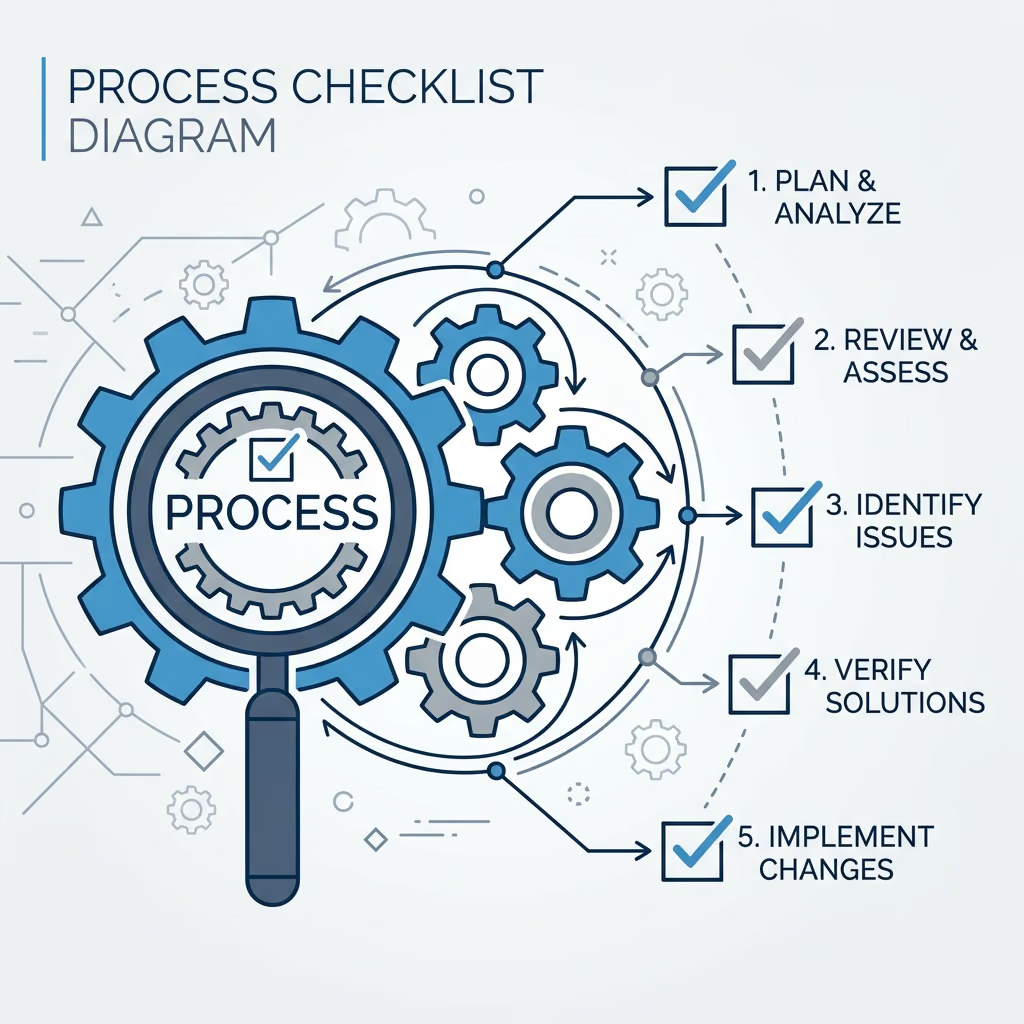
Enterprises not yet compliant are advised to follow a four-step remediation process:
- Select an Approved Platform: Choose a platform that meets the regulatory requirements for e-invoicing.
- Designate a Reception Address: Register the business's reception address for electronic invoices.
- Configure Emission Workflows: Set up systems to issue electronic invoices in compliance with the new mandates.
- Validate New Data Fields: Ensure that all outgoing invoices include the four new mandatory data fields.
By following these steps, businesses can achieve full compliance with the e-invoicing mandate and avoid potential penalties.
Implications for Enterprises
The phased implementation of emission obligations provides smaller businesses with additional time to adapt their systems and processes. However, the immediate requirement for electronic invoice reception applies universally, necessitating swift action from all VAT-liable enterprises.
Businesses that have not yet selected a compliant platform should prioritize this task to take advantage of the grace period. The four-step compliance path offers a clear roadmap for achieving full compliance, though it requires careful attention to the new data fields and system configurations.
Outlook
The French e-invoicing mandate represents a significant step toward digital transformation in tax compliance. The grace period through the end of 2026 provides a critical buffer for businesses to complete their compliance efforts without immediate penalties. However, the 34% adoption gap at launch highlights ongoing challenges in platform selection and system configuration.
Enterprises should monitor any updates or extensions to the grace period, as well as potential adjustments to the compliance requirements. The phased implementation of emission obligations for smaller businesses reflects a pragmatic approach to facilitating compliance across different business sizes.
Frequently asked questions
- What are the phased emission obligations for different business sizes?
- Large enterprises and mid-sized enterprises (ETI) must both emit and receive electronic invoices as of 1 September 2026. SMEs and micro-enterprises must receive electronic invoices immediately but have until 1 September 2027 to comply with emission requirements.
- What is the grace period for compliance?
- The French government has announced a grace period through the end of 2026, during which no sanctions will be applied for implementation difficulties. This provides a window for enterprises to complete platform selection and onboarding without immediate penalty.
- What are the new mandatory data fields required on electronic invoices?
- The four new mandatory data fields are client SIREN number, operation category, VAT payment option on debits, and delivery address when different from the billing address.
- What steps should non-compliant enterprises take to achieve compliance?
- Enterprises not yet compliant should follow a four-step remediation process: selecting an approved platform, designating a reception address, configuring emission workflows, and validating the four new mandatory data fields on outgoing invoices.
- How many enterprises had designated their reception address by the mandate's launch?
- Over 4 million enterprises had registered their reception address by the launch date on 1 September 2026.