


France's E-Invoicing Mandate: SMEs Face Penalties Starting September 1, 2026
France's e-invoicing mandate takes effect on September 1, 2026, imposing strict penalties for non-compliance. SMEs and micro-enterprises face fines for failing to use approved platforms, with escalating penalties for continued violations.
Key takeaways
- France's e-invoicing mandate takes effect September 1, 2026, with penalties for SMEs starting immediately.
- SMEs face fines of €50 per invoice for non-compliance, capped at €15,000 annually.
- A tolerance period applies through December 2026 for firms demonstrating corrective action.
Context
France's e-invoicing mandate, effective September 1, 2026, mandates that all VAT-registered entities (approximately 10 million businesses) receive electronic invoices via state-approved platforms. Large enterprises and mid-sized firms (ETI) must also emit and transmit transaction and payment data electronically from that date. Smaller firms—SMEs and micro-enterprises—have a one-year grace period for emission obligations, with their deadline set at September 1, 2027.
This mandate is part of France's broader tax-digitization strategy, aimed at improving VAT collection efficiency and reducing fraud. The phased rollout reflects the varying capacities of businesses to adapt to new digital requirements, with larger firms leading the transition. The mandate draws on Belgium's comparable e-invoicing reform implemented in January 2026, incorporating lessons learned from operational friction points.
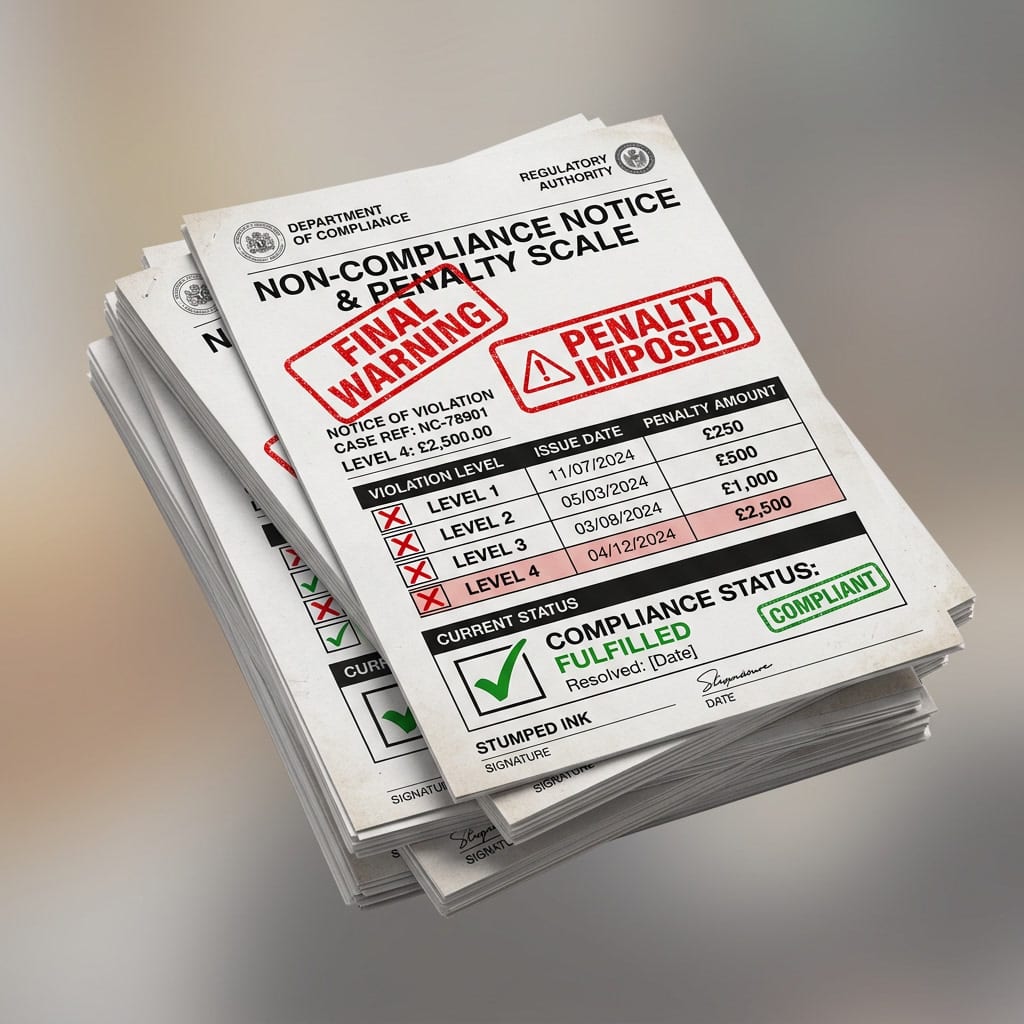
Penalty Structure for SMEs
The mandate introduces a granular penalty structure specifically targeting small and micro-enterprises:
- Failure to emit invoices via an approved platform: €50 per invoice, capped at €15,000 annually.
- Failure to transmit transaction or payment data: €500 per transmission, capped at €15,000 annually.
- Failure to use an approved platform for invoice reception: €500 initial fine after a 3-month non-compliance window, escalating to €1,000 per subsequent 3-month period of continued non-compliance.
These penalties underscore the state's emphasis on strict compliance, particularly for invoice reception, where repeated violations incur escalating fines. SMEs must prioritize integration with approved platforms to avoid financial penalties, especially given the short window before enforcement begins.
Tolerance Policy and Compliance Support
The tax administration has signaled a tolerance period during the final four months of 2026 for firms facing genuine difficulties. To qualify, businesses must demonstrate documented evidence of corrective action underway. This policy provides temporary relief but requires SMEs to engage proactively with compliance efforts.
Additionally, a national assistance helpline (08 06 80 78 07) has been established to support business compliance. Practical procedural details, such as SIREN number verification and invoice deduplication, are critical for avoiding penalties. The helpline and pre-flight checklists offer actionable steps to ensure readiness, though businesses must act swiftly to meet the September 1 deadline.
Outlook and What to Watch
Businesses should monitor the effectiveness of Belgium's e-invoicing reform, as operational issues identified there are reportedly being addressed in France's implementation. The tolerance policy may evolve based on initial compliance rates, and firms should remain vigilant for updates from the tax administration.
SMEs must prioritize integration with approved platforms before September 1, leveraging the helpline and compliance checklists to mitigate risks. The phased rollout provides smaller firms with additional time but emphasizes the need for immediate action to avoid penalties.
Frequently asked questions
- What penalties apply if an SME fails to emit invoices electronically?
- SMEs face a €50 fine per invoice for failing to use an approved platform, capped at €15,000 annually.
- Can SMEs receive temporary relief from penalties?
- A tolerance period applies through December 2026, but firms must demonstrate documented evidence of corrective action.
- What support is available for businesses to ensure compliance?
- A national assistance helpline (08 06 80 78 07) and pre-flight checklists are available to guide businesses through the compliance process.
- How does France's mandate compare to Belgium's e-invoicing reform?
- Belgium implemented a comparable reform in January 2026, and France is addressing operational issues identified there.
- What steps should SMEs take to prepare for the mandate?
- SMEs must integrate with approved platforms, verify SIREN numbers, and use the helpline to ensure compliance before September 1.