


Oman's Fawtara E-Invoicing Framework Expands to B2C Transactions with Three-Decimal Precision
Oman's Fawtara e-invoicing framework has introduced two distinctive features: the inclusion of B2C transactions and a three-decimal calculation requirement for invoice amounts. These elements, revealed at an industry seminar in Muscat on August 25, 2026, set Oman apart from most global e-invoicing mandates and necessitate immediate readiness assessments by businesses.
Key takeaways
- Oman's Fawtara framework uniquely includes B2C transactions, setting it apart from most global e-invoicing mandates.
- The framework requires three-decimal precision for invoice calculations, aligning with the Omani Rial's currency structure.
- Businesses must treat Fawtara compliance as an organizational transformation, beginning readiness assessments immediately.
- The evolving scope of the framework necessitates continuous monitoring and adaptability from businesses.
Context
The Fawtara framework, active under Decision No. 189/2026, is being rolled out in three phases. Phase 1 commenced in August 2026 for the top 100 taxpayers, Phase 2 is scheduled for February 2027 covering large VAT-registered firms, and Phase 3 will include all remaining VAT-registered businesses, including SMEs, by August 2027. The Oman Tax Authority (OTA) aims for full implementation by 2028, encompassing approximately 50,000 companies. The framework mandates XML format for invoices starting April 1, 2027.
OTA officials at the seminar emphasized that the Fawtara transition should be viewed as an organizational transformation rather than a mere software upgrade. This perspective aligns with the mandate's broad scope and the tight timeline leading to Phase 3.
What's Changing
The Fawtara framework distinguishes itself through two key features:
B2C Transaction Inclusion
OTA officials claim that Oman is the first country to incorporate B2C transactions into its e-invoicing framework. This inclusion represents a significant departure from most global mandates, which typically start with B2B transactions and may phase in B2C requirements later or exclude them entirely. However, this claim has not been independently verified against all global frameworks.
Three-Decimal Calculation Requirement
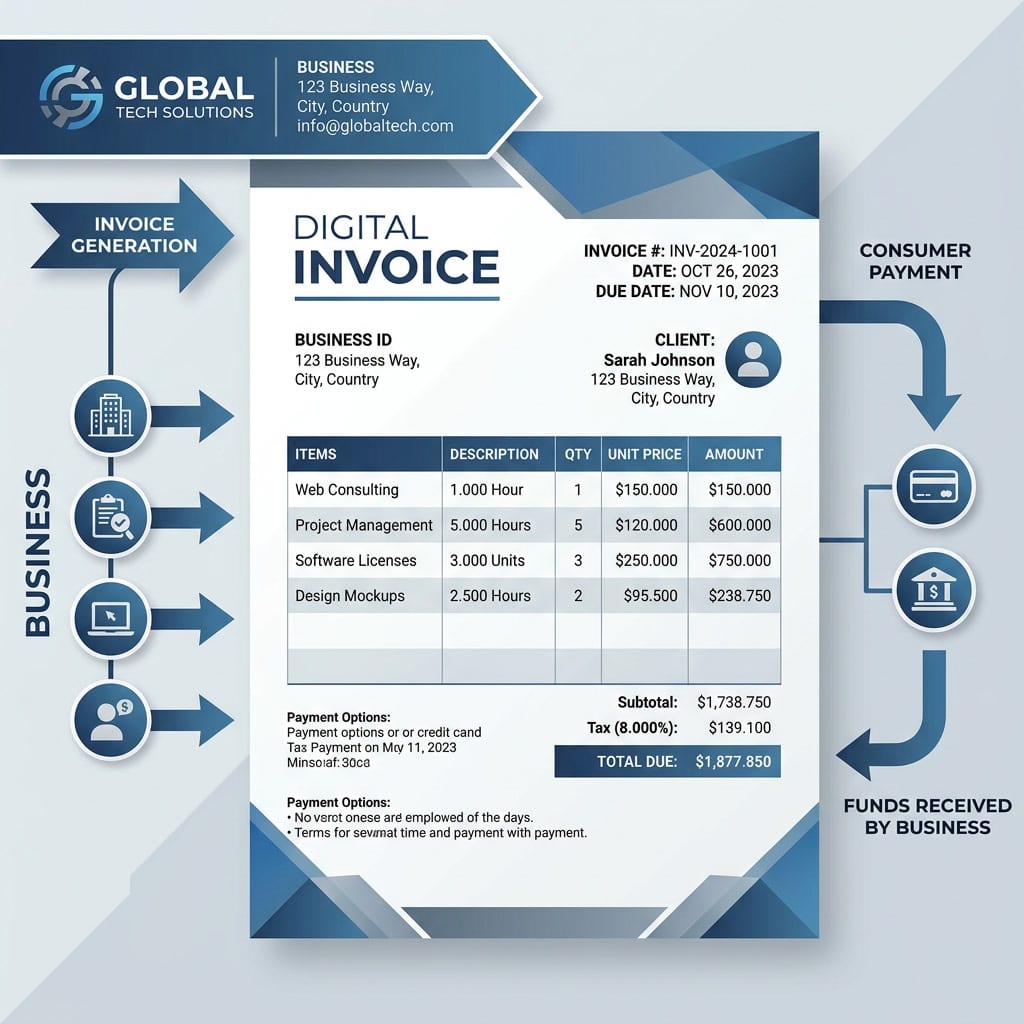
The framework mandates three-decimal precision for invoice calculations. This requirement aligns with the Omani Rial's subdivision into 1,000 baisa, ensuring arithmetical consistency with the national currency structure. This technical specification is notable for its precision, which is higher than many other e-invoicing systems.
Implications for Businesses
Businesses in Oman must begin readiness assessments immediately to comply with the Fawtara framework. The OTA's characterization of the transition as an organizational transformation underscores the need for comprehensive preparation.
Compliance Steps
- Assessment: Conduct a thorough assessment of current invoicing systems to identify gaps and requirements for compliance.
- System Upgrades: Ensure that invoicing software can handle B2C transactions and three-decimal precision calculations.
- Training: Provide training for staff to understand the new requirements and processes.
- Testing: Implement testing protocols to ensure that all invoicing activities comply with the Fawtara framework before the mandated deadlines.
Risks and Opportunities
The evolving scope of the Fawtara framework, as indicated by OTA officials, presents both risks and opportunities. Businesses must remain vigilant for updates and be prepared to adjust their compliance strategies accordingly. Proactive engagement with the OTA and participation in industry seminars can provide valuable insights and networking opportunities.
Outlook
The Fawtara framework's phased implementation and evolving scope signal a dynamic regulatory environment. Businesses should monitor OTA communications closely for any updates or revisions to the technical specifications or coverage parameters.
What to Watch
- Regulatory Updates: Stay informed about any official revisions or announcements from the OTA regarding the Fawtara framework.
- Industry Seminars: Participate in future industry events to gain insights and network with other stakeholders.
- Compliance Deadlines: Adhere strictly to the phased implementation timeline to avoid penalties and ensure smooth transitions.
Frequently asked questions
- What is the significance of including B2C transactions in the Fawtara framework?
- The inclusion of B2C transactions represents a structural departure from most global e-invoicing mandates, which typically start with B2B transactions. This inclusion broadens the scope of compliance and requires businesses to adapt their invoicing systems accordingly.
- Why is three-decimal precision required for invoice calculations?
- The three-decimal requirement aligns with the Omani Rial's subdivision into 1,000 baisa, ensuring arithmetical consistency with the national currency structure. This precision is higher than many other e-invoicing systems and must be accommodated in invoicing software.
- What steps should businesses take to comply with the Fawtara framework?
- Businesses should conduct comprehensive assessments of their current invoicing systems, upgrade software to handle B2C transactions and three-decimal precision, provide staff training, and implement testing protocols to ensure compliance before the mandated deadlines.
- How should businesses prepare for the evolving scope of the Fawtara framework?
- Businesses should monitor OTA communications closely for any updates or revisions, participate in industry seminars for insights and networking, and adhere strictly to the phased implementation timeline to ensure smooth transitions and avoid penalties.
- What is the timeline for the Fawtara framework's implementation?
- The framework is being rolled out in three phases: Phase 1 (top 100 taxpayers) commenced August 2026, Phase 2 (large VAT-registered firms) is scheduled for February 2027, and Phase 3 (all remaining VAT-registered businesses) is set for August 2027. The OTA aims for full implementation by 2028.