


Skip to content
Back to Kworia

Kworia News

Germany

Articles for Germany

This hub covers e-invoicing compliance in Germany, including the phased B2B mandate introduced under the Growth Opportunities Act, the role of the EN 16931 standard, and accepted formats such as XRechnung and ZUGFeRD. Readers will find guidance on receiver obligations, sender rollout timelines, ERP integration considerations, and how the planned national PEPPOL-based reporting framework fits into the broader ViDA context.

Germany's Federal Tax Office (Bundeszentralamt für Steuern, BZSt) has published its June 2026 Pillar 2 newsletter outlining critical updates to minimum tax reporting procedures. The guidance, current as of September 11, 2026, includes revisions to feedback protocols and business rule deactivations that directly impact compliance workflows.

BZSt Updates Pillar 2 Reporting Guidance: Key Changes for German Filers

Germany's Federal Tax Office (BZSt) has published its June 2026 Pillar 2 newsletter with critical updates to minimum tax reporting procedures. Key changes include revised feedback protocols requiring zero RecordError entries for full acceptance, temporary deactivation of business rules 70012 and 70037, and acknowledged delays in feedback delivery.
Latest

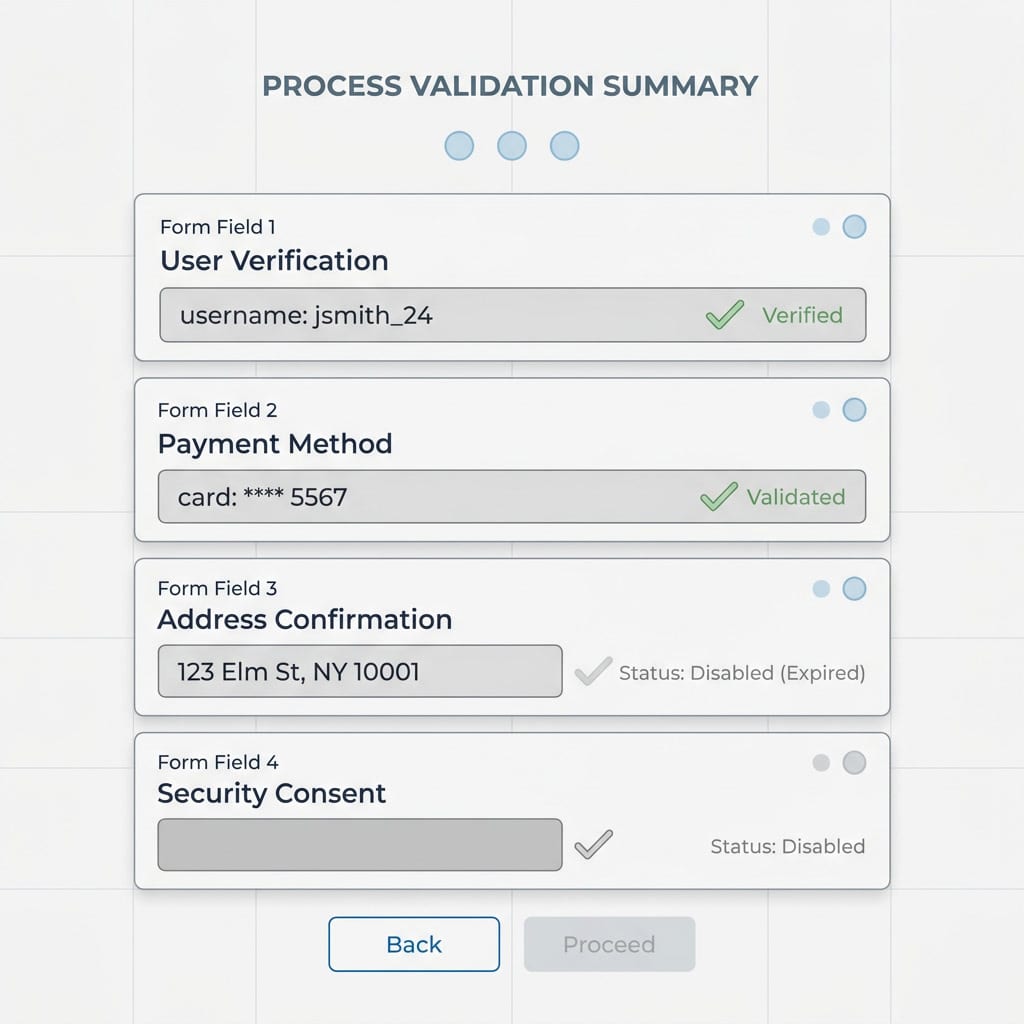
Germany's federal tax authority has temporarily disabled 13 validation rules in its Pillar 2 minimum tax reporting system after discovering they incorrectly rejected valid submissions. This marks the first known operational disruption to Germany's OECD BEPS Action Item 15 validation infrastructure.
germanyDE NEWS

Germany Temporarily Deactivates Business Rules in Pillar 2 Reporting System

Germany's federal tax authority BZSt has temporarily deactivated 13 business rules in its Pillar 2 minimum tax reporting system after they incorrectly rejected valid submissions. The deactivated rules span both OECD specifications and BZSt-specific validation logic, marking the first known operational disruption to Germany's BEPS Action Item 15 infrastructure.

2 min read
Germany's e-invoicing landscape is uniquely complex, requiring businesses to navigate both B2G and B2B mandates simultaneously. Peppol's network architecture offers a unified solution to manage these obligations efficiently.

Streamlining Germany's Dual E-Invoicing Mandates Through Peppol

Germany requires businesses to comply with both B2G and B2B e-invoicing mandates. Peppol's network architecture offers a unified solution that consolidates these separate infrastructure requirements, reducing operational complexity and enabling efficient, automated invoice routing and validation.

2 min read

Popular tags