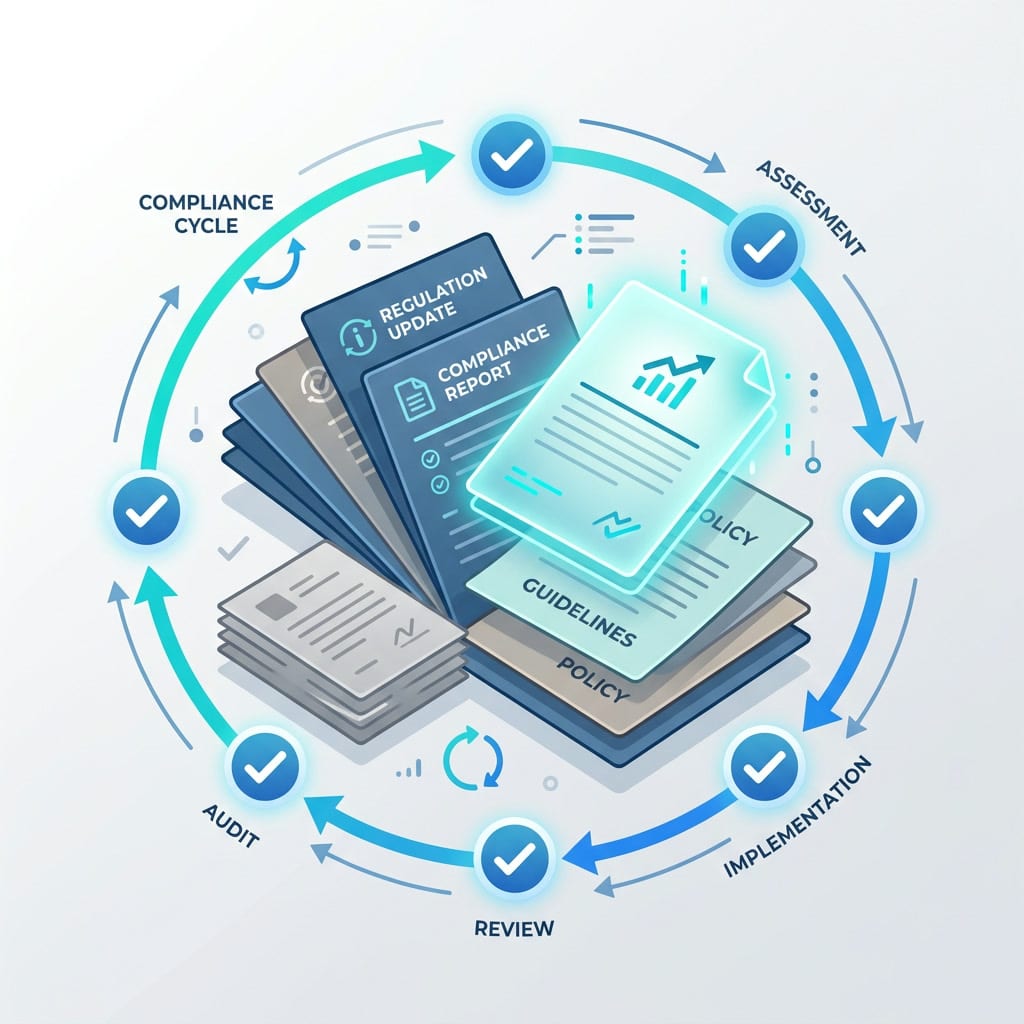


AEAT Publishes Draft Validation Rules for Spain's Public B2B E-Invoicing Platform
Spain's tax authority has released draft validation rules and error codes for the Sistema Público de Facturación Electrónica (SPFE), marking a key technical milestone in the country's e-invoicing rollout. The documents provide the first concrete look at how invoices will be validated under Spain's upcoming mandate.
Key takeaways
- AEAT has published draft validation rules for SPFE, covering Spain-specific invoice requirements and payment/status reporting messages.
- Large businesses with annual turnover above €8 million must comply by October 6, 2027, while other businesses have until October 6, 2028.
- The validation rules and error codes may change following testing, so businesses should treat the current documentation as a working baseline.
Context
The publication of the draft validation rules by the Agencia Estatal de Administración Tributaria (AEAT) moves Spain's e-invoicing programme from broad policy announcements into the operational documentation phase. This development is particularly relevant for ERP vendors, shared services centres, and compliance teams beginning technical integration work ahead of the October 2027 deadline for large businesses.
The legal framework for SPFE was established by Order HAC/1028/2026, which outlines the technical and operational rules governing Spain's public e-invoicing solution. This mandate is part of Spain's alignment with the EU's ViDA (VAT in the Digital Age) initiative, which aims to modernize VAT compliance systems across member states.
As of November 2026, both mandate deadlines remain on track with no announced delays. Large businesses with annual turnover above €8 million must comply by October 6, 2027, while all other in-scope businesses have until October 6, 2028.
What's Changing
The draft validation documents cover Spain-specific invoice requirements as well as payment and status reporting messages that businesses and their software providers will need to handle. Notably, AEAT has stated that these validation rules and associated error codes remain subject to revision following testing. Therefore, the current documentation should be treated as a working baseline rather than a final specification.
This technical milestone provides the first concrete look at how invoices will be validated under Spain's upcoming mandate. Prior coverage of Spain's e-invoicing programme focused on alignment with the EU's ViDA initiative and general countdown milestones. The publication of these draft rules shifts the focus to the practical implementation aspects of the mandate.
Implications for Businesses
For businesses and their software providers, these draft validation rules represent a critical starting point for technical integration work. ERP vendors and shared services centres will need to begin adapting their systems to handle the specific invoice requirements and error codes outlined in the documents.
Compliance teams should use this opportunity to assess their current invoicing processes and identify any gaps that need to be addressed ahead of the mandate deadlines. Given that the validation rules may change following testing, businesses should monitor AEAT's updates closely and be prepared to adjust their systems as necessary.
Outlook
Looking ahead, the next key milestone for Spain's e-invoicing programme will be the completion of testing and the publication of final validation rules. Businesses should expect potential revisions to the current draft based on testing results, and they should remain flexible in their compliance strategies.
Additionally, as the mandate deadlines approach, AEAT is likely to provide further guidance and support to help businesses prepare for the transition. Companies should stay informed about these developments and engage with industry groups and software providers to share best practices and lessons learned.
Frequently asked questions
- What is the Sistema Público de Facturación Electrónica (SPFE)?
- The SPFE is Spain's public B2B e-invoicing platform that will underpin the country's domestic mandate, established by Order HAC/1028/2026.
- When do businesses need to comply with Spain's e-invoicing mandate?
- Large businesses with annual turnover above €8 million must comply by October 6, 2027, while all other in-scope businesses have until October 6, 2028.
- Are the published validation rules final?
- No, AEAT has noted that the validation rules and associated error codes remain subject to revision following testing.
- What should businesses do to prepare for Spain's e-invoicing mandate?
- Businesses should begin assessing their current invoicing processes, identify gaps, and start adapting their systems to handle the specific invoice requirements outlined in the draft validation rules.
- Where can businesses find more information about Spain's e-invoicing programme?
- Businesses should monitor updates from AEAT and engage with industry groups and software providers to stay informed about the latest developments.